Industry 4.0
Industry 4.0, also known as the Fourth Industrial Revolution, is a term used to describe the integration of digital technology into traditional manufacturing processes. This revolution has transformed the way businesses operate, and has created new opportunities for companies to improve efficiency, reduce costs, and increase productivity.
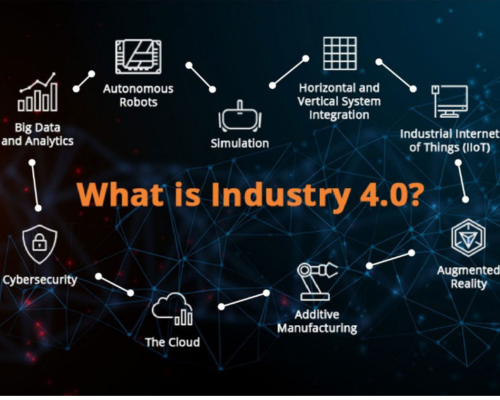
The term Industry 4.0 was first introduced in 2011 by the German government as part of its high-tech strategy. It was coined to describe the fourth industrial revolution, which is characterized by the integration of advanced technologies, such as robotics, artificial intelligence (AI), and the Internet of Things (IoT), into the manufacturing process.
Industry 4.0 has the potential to transform traditional manufacturing processes by making them more efficient, more flexible, and more intelligent. It is expected to create new opportunities for businesses, and to bring significant benefits to the economy.
One of the key benefits of Industry 4.0 is increased efficiency. By incorporating digital technology into manufacturing processes, businesses can reduce the time and cost of production, and improve product quality. This is achieved through the use of advanced sensors and data analytics, which enable companies to monitor and optimize production processes in real-time.
Another important benefit of Industry 4.0 is increased flexibility. Digital technologies allow businesses to adapt quickly to changing market conditions, and to customize products to meet the specific needs of customers. This can help businesses to stay competitive in a rapidly changing market, and to respond more quickly to customer demand.
Industry 4.0 also has the potential to create new business models and revenue streams. By leveraging digital technologies, businesses can develop new products and services, and enter new markets. This can help businesses to diversify their revenue streams and to reduce their dependence on traditional manufacturing processes.
However, the adoption of Industry 4.0 is not without challenges. One of the main challenges is the need for skilled workers who can operate and maintain advanced digital systems. This requires businesses to invest in training and development.