Future is Automation
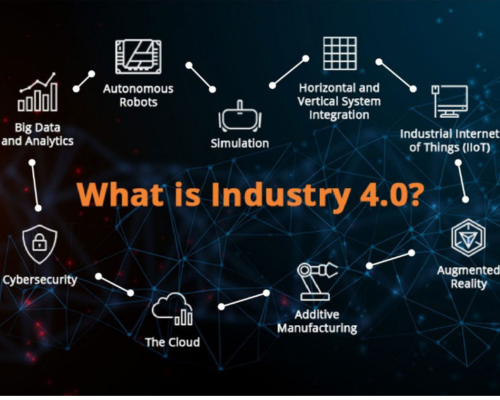
Automation technology refers to the various technologies used to automate tasks and processes that were previously performed manually. This includes a wide range of technologies, from simple software applications to advanced robotics and artificial intelligence (AI).
One of the most common types of automation technology is software automation. This involves using software programs to automate tasks such as data entry, report generation, and customer service interactions. Software automation can be especially useful in industries such as finance, where repetitive tasks can be time-consuming and prone to errors.
Another type of automation technology is robotics. This involves using robots to automate tasks that were previously performed by humans, such as assembly line work in manufacturing. Robotics can improve efficiency, reduce errors, and improve safety in industries where manual labor is physically demanding or dangerous.
Artificial intelligence is another key technology used in automation. AI involves using computer algorithms to analyze data, learn from it, and make predictions or decisions based on that data. AI can be used to automate tasks such as customer service interactions, fraud detection, and even medical diagnoses.
One of the biggest advantages of automation technology is increased efficiency. By automating tasks that were previously performed manually, businesses can complete those tasks faster and more accurately, saving time and money in the process. Automation technology can also help businesses to reduce errors and improve quality control, which can lead to greater customer satisfaction and increased revenue.
However, there are also some potential downsides to automation technology. One of the biggest concerns is the impact on jobs. As automation continues to replace human workers, some industries may experience job losses or shifts in job roles. It's important for businesses to consider the impact of automation technology on their workforce and to plan for any necessary training or transitions.
Another concern is the potential for errors or malfunctions in automated systems. While automation technology can improve accuracy and quality control, it's important to ensure that the systems are properly designed and maintained to avoid any unintended consequences.
Despite these challenges, automation technology is becoming an increasingly important tool for businesses looking to stay competitive in today's fast-paced economy. Whether it's streamlining manufacturing processes, automating customer service interactions, or using AI to analyze data, the benefits of automation technology are clear. As technology continues to evolve, businesses that embrace automation technology will be better positioned to succeed in the years to come.